Buy on Amazon
As an Amazon Associate I earn from qualifying purchases.
How to Choose a USB Flash Drive for Phones and Computers: A Practical Guide to Portable File Storage
Moving files between a smartphone and a computer can become inconvenient when cloud storage is unavailable, internet access is unreliable, or you simply want a physical copy of important documents. A compact USB flash drive can offer a straightforward way to store and transfer files without depending entirely on an online service.
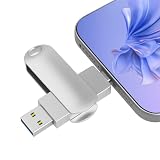
The QULATOZ 32GB USB-C Stick is advertised as a portable storage option with a dual-interface design intended for compatible devices. Its compact size, plug-and-play operation, and metal exterior may appeal to people who want to carry documents, photos, videos, or other digital files with them.
However, choosing a flash drive involves more than looking at its capacity or exterior. Connector compatibility, transfer speeds, usable storage, device support, and backup habits all matter. This guide explains what to consider before purchasing a small USB storage device and how the advertised features of the QULATOZ 32GB model may fit different everyday needs.
What Is the QULATOZ 32GB USB-C Stick?
The QULATOZ USB stick is listed as a 32GB portable storage device designed for computers, smartphones, and other compatible USB-enabled equipment. Its product description highlights a dual-interface design, a metal shell, and plug-and-play functionality.
The key point is that a dual-interface drive is intended to connect through two different connector types. This can make file transfers between devices easier, provided that the actual connectors match the ports available on your equipment.
The supplied listing does not clearly identify both connector types, specify read and write speeds, or provide detailed device compatibility information. Before buying, check the product images and full specifications to confirm exactly which ports the drive uses.
1. Understanding the 32GB Storage Capacity
Storage capacity is one of the first things to consider when selecting a USB flash drive. A 32GB model can be suitable for everyday files, although the amount of content it holds depends on file sizes and the space available after formatting.
What can you store on a 32GB drive?
Depending on your needs, a drive of this capacity may be useful for storing:
Documents, spreadsheets, and presentation files
School assignments, PDFs, and reading materials
Selected photographs and personal videos
Music files and other media
Installation files and portable documents
Temporary copies of files transferred between devices
Text documents usually take up much less space than high-resolution photographs or videos. For that reason, 32GB may be plenty for a collection of documents but less convenient for someone who regularly transfers large video libraries.
The exact number of files that will fit cannot be determined from capacity alone. A folder of thousands of small documents can use storage differently from a few large video files.
Why usable capacity may be lower
A drive advertised as 32GB will not necessarily show exactly 32GB of available space in your computer or phone. Differences in how storage capacity is calculated, formatting, and the file system can affect the displayed amount.
This is normal for flash storage and does not automatically indicate a defect.
Practical tip: If you mainly need a way to move documents and a limited selection of photos between devices, 32GB may be a reasonable starting point. If you plan to store extensive video collections or keep several large backups, consider whether you need more capacity.
2. Dual-Interface Design: Check the Connectors Before Buying
The product description advertises a two-in-one storage design intended to make file transfers more convenient. This can be useful when your devices have different connection ports.
For example, you might want to move photos from a compatible smartphone to a laptop, or copy a presentation from a computer to a phone. A drive with the appropriate connectors may reduce the need for an additional adapter.
However, the phrase “dual interface” does not, by itself, confirm which two connectors are included. The product title mentions USB-C, but the available description does not clearly establish the second interface.
Confirm your device's port
Before ordering, check whether the drive's connectors match your equipment.
USB-C smartphones: Confirm that the phone supports USB storage through its USB-C port.
Android tablets: Check both the physical connector and support for USB host functionality or external storage.
Laptops and desktop computers: Verify that the drive's connectors match an available port or that you have a suitable adapter.
Other devices: Consult the device manufacturer's documentation to confirm external USB storage support.
A USB-C connector does not guarantee compatibility with every USB-C device. Some devices have hardware, software, file-system, or power-related restrictions.
If you use an iPhone, do not assume that every model will work with this drive simply because it has a USB-C connector. Compatibility depends on the phone model, the drive's connector arrangement, and the operating system's support for external storage.
Practical tip: Confirm both connector types and the compatibility information for your exact device before purchasing. This is particularly important if you intend to use the drive with more than one type of smartphone or computer.
3. Plug-and-Play Operation for Everyday File Transfers
The QULATOZ listing describes the drive as plug-and-play, meaning it is intended to work without requiring a separate driver or software download for supported devices.
This can simplify ordinary tasks such as copying files, moving documents, or transferring photographs. On a compatible computer, the drive may appear as an external storage device once connected. On a compatible smartphone, you may be able to browse its contents through the device's file-management application.
Nevertheless, plug-and-play operation does not mean that every device will recognize the drive automatically. Some smartphones may require a file-management application, an appropriate file system, or a change to device settings.
A simple way to transfer files
A typical transfer process looks like this:
Confirm that your phone or computer supports the drive.
Connect the USB stick using the appropriate port.
Open the computer's file manager or the phone's supported file-browsing application.
Locate the files you want to copy.
Copy the files to the drive or move them to the destination device.
Open a few transferred files to verify that the copy was successful.
Safely eject or disconnect the drive when the device indicates that it is ready.
The exact steps depend on the operating system and device.
For important documents, copying is often safer than immediately moving the only original. Keep the original files until you have checked that the transferred copies open correctly.
4. Metal Housing and Everyday Portability
The product description highlights a metal exterior and a small, lightweight design. These features may be useful for people who carry storage devices in a laptop bag, backpack, desk organizer, or travel pouch.
A compact flash drive is easy to carry without taking up much room. It can be convenient for students, office workers, freelancers, and anyone who needs to move files between locations.
What a metal shell can offer
A metal housing may help protect the drive's exterior against some everyday handling compared with an exposed or more fragile-looking construction. However, the supplied listing does not provide independent durability testing or detailed impact-resistance specifications.
It is important not to interpret a metal casing as a guarantee that the internal memory will survive every fall or accident.
The listing also describes the drive as waterproof and resistant to falls. These claims should be treated cautiously because no specific water-resistance rating, immersion limit, or drop-test result is provided in the supplied details.
Do not assume that the drive can safely be submerged in water or used in wet conditions. Avoid exposing it to liquids, excessive heat, dust, or physical pressure unless the manufacturer provides clear supporting instructions.
Keep the connector protected
Even a sturdy exterior cannot eliminate the risk of damage to the connector. When carrying the drive, keep it away from objects that could bend the connector or place pressure on it.
If a protective cap or other connector cover is included, use it when appropriate. The supplied description does not confirm whether such an accessory is part of the package, so check the package contents before relying on one.
5. File Compatibility and Formatting
Storage devices use file systems to organize data. Compatibility can depend on the file system installed on the drive and the operating system of the device you want to use.
Common file systems include FAT32, exFAT, and NTFS. Each has different compatibility characteristics and limitations.
For example, FAT32 is supported by many devices but has a maximum individual file size of 4GB. exFAT is often useful for transferring larger files between modern computers and compatible devices. NTFS is widely used with Windows computers, but support on other devices can vary.
The supplied product description does not identify the QULATOZ drive's default file system. Check the manufacturer's specifications if you need to transfer large files or use the drive across several operating systems.
Should you reformat the drive?
Not necessarily. If the drive works with your devices, there may be no reason to change its format.
Reformatting erases existing data on the drive, so back up any files first. Choose a file system based on the devices you actually use rather than assuming that one format is best for every situation.
If you are unsure, check your smartphone or computer manufacturer's instructions before changing the drive's format.
6. Transfer Speed: An Important Specification to Verify
The product details provided for this model do not specify its read speed, write speed, USB generation, or performance under different workloads.
This matters because two drives with the same storage capacity can perform very differently. Copying a few documents may take little time, while transferring large videos or a substantial photo library can take considerably longer on a slower drive.
A connector's shape does not establish the drive's actual transfer speed. A USB-C drive is not automatically a high-speed USB 3.x device.
Before purchasing, look for clear information about:
The supported USB standard
Advertised sequential read speed
Advertised sequential write speed
Any compatibility limitations affecting transfer performance
If these specifications are missing, avoid assuming that the drive is suitable for demanding workloads simply because it has a modern connector.
For occasional document transfers, performance may be less important than compatibility and reliability. For frequent large transfers, speed deserves closer attention.
Potential Advantages
Based on the supplied product description, the QULATOZ 32GB USB-C Stick has several features that may suit basic portable-storage needs.
Compact storage for everyday files
The advertised 32GB capacity can provide a physical place for documents, presentations, and selected media files. This can be useful when you want to transfer files without relying on a network connection.
Two-interface convenience
A genuine dual-connector design can make moving files between compatible devices easier. The benefit depends on which connectors the actual model includes, so confirm this detail before ordering.
Intended plug-and-play use
The product is advertised as requiring no separate driver installation. On supported devices, this may simplify the process of connecting the drive and accessing files.
Portable metal exterior
The metal housing and compact form factor may appeal to people who prefer a small drive that is easy to carry. However, these design features do not establish a specific level of water resistance or drop protection.
Potential usefulness across devices
If the connector arrangement and file system are compatible, the drive may serve as a shared storage option for a computer and a smartphone. Actual compatibility should be checked for each device.
Things to Consider Before Buying
A practical buying decision should also account for the information that is missing from the supplied description.
The second connector is not clearly identified
Although the listing advertises a dual-interface design, the supplied details do not specify both connector types. Check the product images and full specifications rather than relying on the general description alone.
No transfer-speed figures are provided
Without advertised read and write speeds, it is difficult to determine how quickly large files will transfer. If performance matters to you, seek clearer specifications before purchasing.
Water resistance is not independently established
The listing describes the drive as waterproof and fall-resistant, but the supplied information does not include a water-resistance rating or documented drop-test results. Treat it as an ordinary storage device unless the manufacturer provides more precise evidence.
Device compatibility can vary
USB support differs between smartphones, tablets, and computers. Check your exact device model and operating system, especially if you plan to use the drive with an iPhone or an older computer.
Flash drives should not be your only backup
Portable storage can be useful, but flash drives can be lost, damaged, or become unreadable. Keep another copy of important files on a separate drive or a trusted backup service.
The warranty and package contents are unclear
The supplied details do not establish the warranty period, included accessories, or customer-support arrangements. Review these points if they are important to your purchase.
Who May Benefit From This USB Stick?
The QULATOZ 32GB USB-C Stick may be worth considering if its actual connectors and specifications match your requirements.
It may suit:
Students who transfer assignments and presentations
Office workers who carry documents between compatible computers
Smartphone users who want a physical way to move selected photos or files
Travellers who need offline access to a small collection of documents
People looking for a compact secondary copy of non-critical files
It may not be the best choice if:
You need to store a very large video collection
You require guaranteed high-speed transfers
Your devices use connectors that the drive does not support
You need documented waterproofing or tested impact protection
You plan to keep the only copy of irreplaceable files on the drive
If your needs are more demanding, compare the full specifications of other storage options before deciding.
Tips for Using a USB Flash Drive More Reliably
A few basic habits can help reduce avoidable file-management problems.
Keep more than one copy of important files. Use the USB stick for convenient access or transfers, but maintain another copy of valuable documents and photographs.
Check transferred files. Open several files after copying them to confirm that the transfer completed correctly.
Eject the drive safely. Use the operating system's safe-eject option when available, particularly after writing files. Disconnecting during an active transfer can lead to data loss or corruption.
Avoid removing the drive while files are being saved. Wait for the transfer to finish and any activity indicator to settle, if the device has one.
Store it in a safe place. Keep the connector free from dust and avoid excessive heat, moisture, and pressure.
Consider privacy. A lost flash drive may expose the information stored on it. For confidential files, consider using appropriate encryption supported by your devices and keep a separate backup of the recovery information.
Frequently Asked Questions
1. Is 32GB enough for everyday use?
It can be enough for documents, schoolwork, presentations, and a selection of photographs or videos. Whether it is sufficient depends on the size and quantity of your files. Large media collections may require more storage.
2. Can I connect this USB stick directly to my smartphone?
The listing describes the drive as suitable for compatible smartphones, but the exact compatibility depends on the connectors included and your phone's support for external USB storage. Confirm the connector arrangement and your phone's requirements before purchasing.
3. Does plug-and-play mean no application is ever needed?
No. The listing says the drive is designed to work without separate driver or software downloads, but some smartphones may still require a built-in file manager, supported application, or compatible settings to access external storage.
4. Is the drive genuinely waterproof?
The supplied product description claims waterproof construction, but it does not provide a specific water-resistance rating or test results. Do not assume that it can be submerged or exposed to water without damage.
5. How fast is the QULATOZ 32GB USB-C Stick?
The supplied specifications do not state read or write speeds. Check the full product listing or manufacturer's documentation for verified performance information before relying on it for frequent large transfers.
6. Can I use the drive with both Windows and Mac computers?
That depends on the drive's file system and the computers' configurations. Check the default format and compatibility information. If reformatting is necessary, back up any existing data first because formatting erases the drive.
7. Is it safe to store important documents on a USB stick?
A USB stick can hold important documents, but it should not be the only copy. Keep a second copy in a separate location, and consider encryption for sensitive information. Portable drives can be lost, damaged, or fail unexpectedly.
8. Does the metal casing guarantee that the drive will survive a fall?
No. A metal exterior may offer some physical protection, but it does not guarantee that the internal memory or connector will survive every impact. The supplied description does not include verified drop-test results.
Final Thoughts
The QULATOZ 32GB USB-C Stick is presented as a compact, portable storage option for people who want to transfer files between compatible smartphones and computers. Its advertised dual-interface design, plug-and-play approach, and metal exterior may make it suitable for everyday file handling.
The most important step before purchasing is to confirm the actual connector types, device compatibility, file-system support, and transfer speeds. The supplied description does not provide enough detail to verify these points or substantiate its waterproofing claims fully.
For documents, presentations, and modest collections of personal files, 32GB may be a practical capacity. For large media libraries, demanding transfer speeds, or critical backups, compare the complete specifications and consider keeping multiple copies of your data.


Comments
Comments
Post a Comment